
Meridians K Info
Blog post description.
11/25/202520 min read
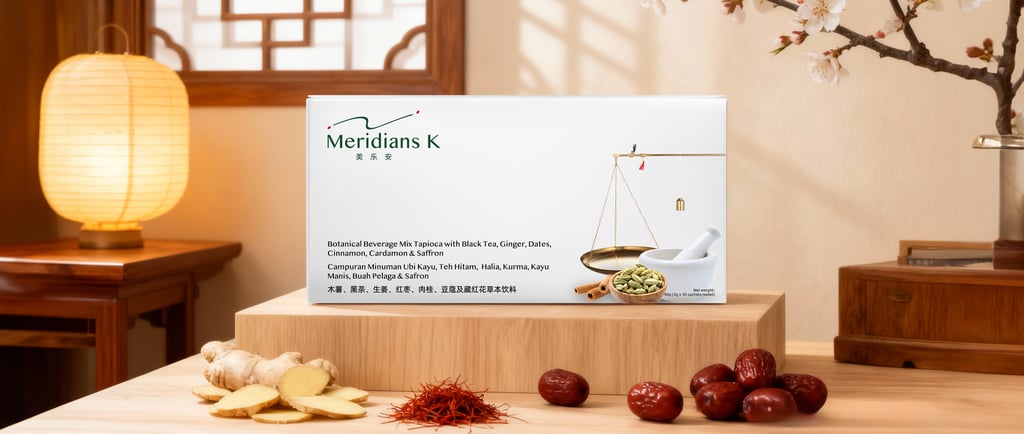
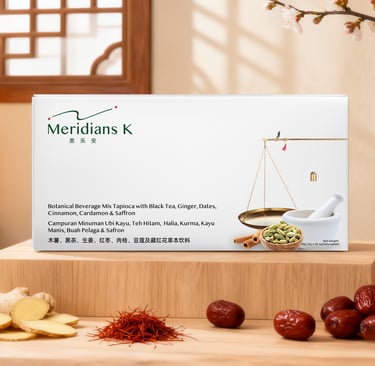
Spices play an important roles as flavoring agents, food preservatives and medicines for centuries. Over the last few decades, research into their health benefits has increased significantly, as many spices are known to possess properties associated with reducing the risk of developing chronic diseases[1–3]. In particular, some of the potential health benefits of spices include conferring protection against cardiovascular disease, neurodegenerative conditions, chronic inflammation, cancer, obesity, and type 2 diabetes [4–14]. A number of herbs and spices have also been noted for their strong antioxidant, anti-microbial, and anti-inflammatory properties [4, 7, 15, 16].
Most of the positive health effects spices towards preventing or ameliorating chronic diseases such as cancer, cardiovascular disease, arthritis, and neurodegeneration appear to be mediated through the direct action of their constituent phytochemicals (particularly polyphenols or polyphenol breakdown products) targeting specific receptors or enzymes involved in various anti-inflammatory pathways or immune responses [10]. Spices (especially in their dried form) contain high levels of polyphenols [6] and other physiologically active phytochemicals. The predominant class of polyphenols found in herbs and spices are the phenolic acids and flavonoids (mainly flavones and flavonols) [17] [18].
Ref:
Embuscado ME. Spices and herbs: Natural sources of antioxidants—a mini review. J Funct Foods. 2015;18 Part B:811–819. doi: 10.1016/j.jff.2015.03.005. [DOI] [Google Scholar]
Codex Alimentarius Comission. FAO/WHO Food Standards Programme. Code of Hygienic Practices for Spices and Dried Aromatic Plants. 1995. Rev2014. http://www.fao.org/input/download/standards/27/CXP_042e_2014.pdf. Accessed May 2016.
Peter KV. Handbook of herbs and spices: CRC Press; 2004. https://www.elsevier.com/books/handbook-of-herbs-andspices/peter/978-0-85709-039-3.
Rubio L, Motilva MJ, Romero MP. Recent advances in biologically active compounds in herbs and spices: a review of the most effective antioxidant and anti-inflammatory active principles. Crit Rev Food Sci Nutr. 2013;539:943–953. doi: 10.1080/10408398.2011.574802. [DOI] [PubMed] [Google Scholar]
Aggarwal BB, Sung B. Pharmacological basis for the role of curcumin in chronic diseases: an age-old spice with modern targets. Trends Pharmacol Sci. 2009;302:85–94. doi: 10.1016/j.tips.2008.11.002. [DOI] [PubMed] [Google Scholar]
Garcea G, Berry DP, Jones DJ, Singh R, Dennison AR, Farmer PB, Sharma RA, Steward WP, Gescher AJ. Consumption of the putative chemopreventive agent curcumin by cancer patients: assessment of curcumin levels in the colorectum and their pharmacodynamic consequences. Cancer Epidemiol Biomark Prev. 2005;141:120–125. [PubMed] [Google Scholar]
Lai PK, Roy J. Antimicrobial and chemopreventive properties of herbs and spices. Curr Med Chem. 2004;1111:1451–1460. doi: 10.2174/0929867043365107. [DOI] [PubMed] [Google Scholar]
Mashmoul M, Azlan A, Khaza'ai H, Yusof B, Noor S. Saffron: a natural potent antioxidant as a promising anti-obesity drug. Antioxidants. 2013;24:293. doi: 10.3390/antiox2040293. [DOI] [PMC free article] [PubMed] [Google Scholar]
Bi X, Lim J, Henry CJ. Spices in the management of diabetes mellitus. Food Chem. 2017;217:281–293. doi: 10.1016/j.foodchem.2016.08.111. [DOI] [PubMed] [Google Scholar]
Tapsell LC, Hemphill I, Cobiac L, Patch CS, Sullivan DR, Fenech M, Roodenrys S, Keogh JB, Clifton PM, Williams PG, et al. Health benefits of herbs and spices: the past, the present, the future. Med J Aust. 2006;1854(Suppl):S4–24. doi: 10.5694/j.1326-5377.2006.tb00548.x. [DOI] [PubMed] [Google Scholar]
Satheeshkumar N, Vijayan RSK, Lingesh A, Santhikumar S, Vishnuvardhan C. Spices: Potential Therapeutics for Alzheimer’s Disease. In: Essa MM, Akbar M, Guillemin G, editors. The Benefits of Natural Products for Neurodegenerative Diseases. Cham: Springer International Publishing; 2016. pp. 57–78. [Google Scholar]
Akhondzadeh S, Noroozian M, Mohammadi M, Ohadinia S, Jamshidi AH, Khani M. Salvia officinalis extract in the treatment of patients with mild to moderate Alzheimer's disease: a double blind, randomized and placebo-controlled trial. J Clin Pharm Ther. 2003;281:53–59. doi: 10.1046/j.1365-2710.2003.00463.x. [DOI] [PubMed] [Google Scholar]
Rastogi S, Pandey MM, Rawat A. Spices: Therapeutic Potential In Cardiovascular Health. Curr Pharm Des. 2017;23(7):989–98. [DOI] [PubMed]
Sun F, Xiong S, Zhu Z. Dietary capsaicin protects cardiometabolic organs from dysfunction. Nutrients. 2016;85:174. doi: 10.3390/nu8050174. [DOI] [PMC free article] [PubMed] [Google Scholar]
Shahidi F, Ambigaipalan P. Phenolics and polyphenolics in foods, beverages and spices: antioxidant activity and health effects—a review. J Funct Foods. 2015;18 Part B:820–897. doi: 10.1016/j.jff.2015.06.018. [DOI] [Google Scholar]
Anderson CA, Cobb LK, Miller ER, Woodward M, Hottenstein A, Chang AR, Mongraw-Chaffin M, White K, Charleston J, Tanaka T, et al. Effects of a behavioral intervention that emphasizes spices and herbs on adherence to recommended sodium intake: results of the SPICE randomized clinical trial. Am J Clin Nutr. 2015;1023:671–679. doi: 10.3945/ajcn.114.100750. [DOI] [PMC free article] [PubMed] [Google Scholar]
Opara EI, Chohan M. Culinary herbs and spices: their bioactive properties, the contribution of polyphenols and the challenges in deducing their true health benefits. Int J Mol Sci. 2014;1510:19183–19202. doi: 10.3390/ijms151019183. [DOI] [PMC free article] [PubMed] [Google Scholar]
Genes Nutr. 2019 May 22;14:18. doi: 10.1186/s12263-019-0636-8 Herbs and Spices- Biomarkers of Intake Based on Human Intervention Studies – A Systematic Review Rosa Vázquez-Fresno 1,✉, Albert Remus R Rosana 1, Tanvir Sajed 2, Tuviere Onookome-Okome 1, Noah A Wishart 1, David S Wishart 1,2 PMCID: PMC6532192 PMID: 31143299 https://pmc.ncbi.nlm.nih.gov/articles/PMC6532192/
BLACK TEA
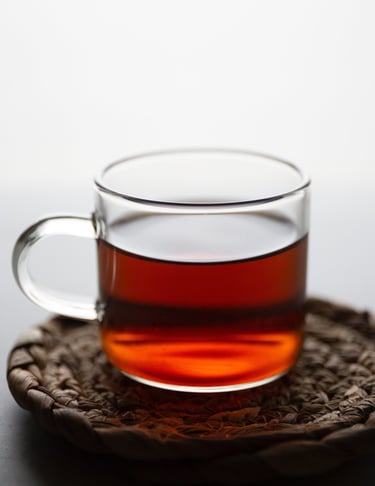
Black tea is not only a non-sweetened or less-calorie drink but also provides several health benefits as it contains powerful groups of polyphenols including epigallocatechin gallate, theaflavins (TF), thearubigins (TR), an amino acid L-theanine, and several other catechins or flavonoids which provide protection against the onset of several chronic disorders. Black tea is a heterogeneous plant with many morphological and physiological overlappings and its quality is determined by genetic factors based on morphological characters and biochemical compositions [1,2]. Theaflavins (TF) and Thearubigins (TR) are formed by enzymatic oxidation of catechins and its gallates during the fermentation process, and the ratio of TF and TR depending on the conditions of the fermentation. [3]
Hypertension or High blood pressure
Improvement of blood pressure either from lower or higher sides. [4,5] Reduce the blood glucose level and improve the capability of metabolize the sugar.[10, 11]
Improved the status of insulin hormone.[12]
Antimicrobial
To eliminate the growth of harmful bacteria.[13]
Significant reduction in the growth of a range of harmful bacteria.[14]
Antioxidant
To neutralize the harmful effects of elevated levels of free radicals.
Reduced the chances of onset of numerous chronic disorders.
Inhibit the activity of pro-oxidative enzymes such as nitric oxide synthase and xanthine oxidase.[15]
Ref:
https://pmc.ncbi.nlm.nih.gov/articles/PMC4648934/
Spatial variability of theaflavins and thearubigins fractions and their impact on black tea quality Lakshi Prasad Bhuyan 1,✉, Paban Borah 1, Santanu Sabhapondit 1, Ramen Gogoi 1, Pradip Bhattacharyya 2,✉Roberts EAH, Smith RF. Phenolic substances of manufactured tea. II Spectrophotometric Evaluation of tea Liquors J Sci Food Agric. 1963;14:689–700. [Google Scholar]
Ahluwalia M, Bangalore S. Management of hypertension in 2017:Targets and therapies. Curr Opin Cardiol. 2017;32:413–21. doi: 10.1097/HCO.0000000000000408.
Hodgson JM, Puddey IB, Woodman RJ, Mulder TP, Fuchs D, Scott K, et al. Effects of black tea on blood pressure:A randomized controlled trial. Arch Intern Med. 2012;172:186–8. doi: 10.1001/archinte.172.2.186.
Greyling A, Ras RT, Zock PL, Lorenz M, Hopman MT, Thijssen DH, et al. The effect of black tea on blood pressure:A systematic review with meta-analysis of randomized controlled trials. PLoS One. 2014;9:e103247. doi: 10.1371/journal.pone.0103247.
Way TD, Lee HH, Kao MC, Lin JK. Black tea polyphenol theaflavins inhibit aromatase activity and attenuate tamoxifen resistance in HER2/neu-transfected human breast cancer cells through tyrosine kinase suppression. Eur J Cancer. 2004;40:2165–74. doi: 10.1016/j.ejca.2004.06.018.
Liang YC, Chen YC, Lin YL, Lin-Shiau SY, Ho CT, Lin JK, et al. Suppression of extracellular signals and cell proliferation by the black tea polyphenol, theaflavin-3,3'-digallate. Carcinogenesis. 1999;20:733–6. doi: 10.1093/carcin/20.4.733.
Beltz LA, Bayer DK, Moss AL, Simet IM. Mechanisms of cancer prevention by green and black tea polyphenols. Anticancer Agents Med Chem. 2006;6:389–406. doi: 10.2174/187152006778226468.
Tanga W, Lia S, Liub Y, Huangb M, Hoac C. Anti-diabetic activity of chemically profiled green tea and black tea extracts in a Type 2 diabetes mice model via different mechanisms. J Functional Foods. 2013;5:1784–93.
Anderson RA, Polansky MM. Tea enhances insulin activity. J Agric Food Chem. 2002;50:7182–6. doi: 10.1021/jf020514c.
Hervert-Hernández D, Goñi I. Dietary polyphenols and human gut microbiota:A review. Food Rev Int. 2011;27:2154–69.
Chan EW, Soh EY, Tie PP, Law YP. Antioxidant and antibacterial properties of green, black, and herbal teas of Camellia sinensis. Pharmacognosy Res. 2011;3:266–72. doi: 10.4103/0974-8490.89748.
Łuczaj W, Skrzydlewska E. Antioxidative properties of black tea. Prev Med. 2005;40:910–8. doi: 10.1016/j.ypmed.2004.10.014.
CINNAMON
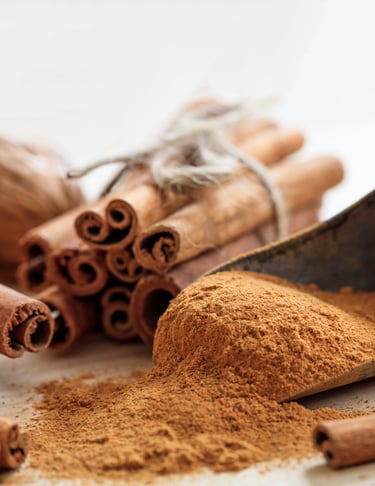
Cinnamon has been used as spices, flavoring or medicine and the most consumed part of the plant is the bark [1, 2]. Bioactive compounds of cinnamon are against inflammation, oxidative stress, diabetes, obesity, hypertension, and high blood lipid levels [3, 4]. In traditional medicine, cinnamon has been used for arthritis, infections, as an analgesic agent and for wound healing [2]. The effect of cinnamon on lipid levels or plasma glucose indicated promising results [5]. The major components of cinnamon are cinnamic, cinnamyl acetate, cinnamaldehyde, procyanidins, polysaccharide and catechins.
Ref
Cinnamon: a nutraceutical supplement for the cardiovascular system, Taherah Mohammadabadi 1,✉, Rajesh Jain 2, PMCID: PMC11155465 PMID: 38846056 Cinnamon: a nutraceutical supplement for the cardiovascular system - PMC
Rao PV, Gan SH. Cinnamon: A multifaceted medicinal plant. Evid Based Complementary Altern Med 2014; 2014: 642942. [DOI] [PMC free article] [PubMed] [Google Scholar]
Mollazadeh H, Hosseinzadeh H. Cinnamon effects on metabolic syndrome: a review based on its mechanisms. Iran J Basic Med Sci 2016; 19: 1258-70. [DOI] [PMC free article] [PubMed] [Google Scholar]
Muhammad DRA, Dewettinck K. Cinnamon and its derivatives as potential ingredient in functional food – a review. Int J Food Properties 2017; 20 (Suppl 2): 2237-63. [Google Scholar]
Gruenwald J, Freder J, Armbruester N. Cinnamon and health. Crit Rev Food Sci Nutr 2010; 50: 822-34. [DOI] [PubMed] [Google Scholar]
Chan KW, Khong NM, Iqbal S, Ch’Ng SE, Younas U, Babji AS. Cinnamon bark deodorised aqueous extract as potential natural antioxidant in meat emulsion system: a comparative study with synthetic and natural food antioxidants. J Food Sci Technol. 2014;51(11):3269–76. doi: 10.1007/s13197-012-0818-5. [PMC free article] [PubMed] [CrossRef] [Google Scholar]
Qin B, Nagasaki M, Ren M, Bajotto G, Oshida Y, Sato Y. Cinnamon extract (traditional herb) potentiates in vivo insulin-regulated glucose utilization via enhancing insulin signaling in rats. Diabetes Res Clin Pract. 2003;62(3):139–148. doi: 10.1016/S0168-8227(03)00173-6. [PubMed] [CrossRef] [Google Scholar]
Shen Y, Jia L-N, Honma N, Hosono T, Ariga T, Seki T. Beneficial effects of cinnamon on the metabolic syndrome, inflammation, and pain, and mechanisms underlying these effects–a review. J Tradit Complement Med. 2012;2(1):27–32. doi: 10.1016/S2225-4110(16)30067-0. [PMC free article] [PubMed] [CrossRef] [Google Scholar]
Shatwan IA, Ahmed LA, Badkook MM. Effect of barley flour, crude cinnamon, and their combination on glycemia, dyslipidemia, and adipose tissue hormones in type 2 diabetic rats. J Med Food. 2013;16(7):656–662. doi: 10.1089/jmf.2012.0083. [PubMed] [CrossRef] [Google Scholar]
Moselhy SS, Ali HK. Hepatoprotective effect of cinnamon extracts against carbon tetrachloride induced oxidative stress and liver injury in rats. Biol Res. 2009;42(1):93–98. doi: 10.4067/S0716-97602009000100009. [PubMed] [CrossRef] [Google Scholar]
Mousavi SM, Rahmani J, Kord-Varkaneh H, Sheikhi A, Larijani B, Esmaillzadeh A. Cinnamon supplementation positively affects obesity: A systematic review and dose-response meta-analysis of randomized controlled trials. Clinical Nutrition. 2019;39:123–133. doi: 10.1016/j.clnu.2019.02.017. [PubMed] [CrossRef] [Google Scholar]
Namazi N, Khodamoradi K, Khamechi SP, Heshmati J, Ayati MH, Larijani B. The impact of Cinnamon on anthropometric indices and glycemic status in patients with type 2 diabetes: A systematic review and meta-analysis of clinical trial. Complement Ther Med. 2019;43:92–101. doi: 10.1016/j.ctim.2019.01.002. [PubMed] [CrossRef] [Google Scholar]
Akilen R, Tsiami A, Devendra D, Robinson N. Glycated haemoglobin and blood pressure-lowering effect of cinnamon in multi-ethnic Type 2 diabetic patients in the UK: a randomized, placebo-controlled, double-blind clinical trial. Diabet Med. 2010;27(10):1159–1167. doi: 10.1111/j.1464-5491.2010.03079.x. [PubMed] [CrossRef] [Google Scholar]
Hafizur RM, Hameed A, Shukrana M, Raza SA, Chishti S, Kabir N, et al. Cinnamic acid exerts anti-diabetic activity by improving glucose tolerance in vivo and by stimulating insulin secretion in vitro. Phytomedicine. 2015;22(2):297–300. doi: 10.1016/j.phymed.2015.01.003. [PubMed] [CrossRef] [Google Scholar]
Qin B, Panickar KS, Anderson RA. Cinnamon: potential role in the prevention of insulin resistance, metabolic syndrome, and type 2 diabetes. J Diabetes Sci Technol. 2010;4(3):685–693. doi: 10.1177/193229681000400324. [PMC free article] [PubMed] [CrossRef] [Google Scholar]
Anderson RA, Broadhurst CL, Polansky MM, Schmidt WF, Khan A, Flanagan VP, et al. Isolation and characterization of polyphenol type-A polymers from cinnamon with insulin-like biological activity. J Agric Food Chem. 2004;52(1):65–70. doi: 10.1021/jf034916b. [PubMed] [CrossRef] [Google Scholar]
Goodyear LJ, Giorgino F, Sherman LA, Carey J, Smith RJ, Dohm GL. Insulin receptor phosphorylation, insulin receptor substrate-1 phosphorylation, and phosphatidylinositol 3-kinase activity are decreased in intact skeletal muscle strips from obese subjects. J Clin Investig. 1995;95(5):2195–2204. doi: 10.1172/JCI117909. [PMC free article] [PubMed] [CrossRef] [Google Scholar]
Nadiv O, Shinitzky M, Manu H, Hecht D, Roberts C, LeROITH D, et al. Elevated protein tyrosine phosphatase activity and increased membrane viscosity are associated with impaired activation of the insulin receptor kinase in old rats. Biochem J. 1994;298(2):443–450. doi: 10.1042/bj2980443. [PMC free article] [PubMed] [CrossRef] [Google Scholar]
Huang B, Yuan HD, Kim DY, Quan HY, Chung SH. Cinnamaldehyde prevents adipocyte differentiation and adipogenesis via regulation of peroxisome proliferator-activated receptor-γ (PPARγ) and AMP-activated protein kinase (AMPK) pathways. J Agric Food Chem. 2011;59(8):3666–3673. doi: 10.1021/jf104814t. [PubMed] [CrossRef] [Google Scholar]
Sheng X, Zhang Y, Gong Z, Huang C, Zang YQ. Improved insulin resistance and lipid metabolism by cinnamon extract through activation of peroxisome proliferator-activated receptors. PPAR Res. 2008;2008:1–9. doi: 10.1155/2008/581348. [PMC free article] [PubMed] [CrossRef] [Google Scholar]
Dugoua J-J, Seely D, Perri D, Cooley K, Forelli T, Mills E, et al. From type 2 diabetes to antioxidant activity: a systematic review of the safety and efficacy of common and cassia cinnamon bark. Can J Physiol Pharmacol. 2007;85(9):837–847. doi: 10.1139/Y07-080. [PubMed] [CrossRef] [Google Scholar]
Chericoni S, Prieto JM, Iacopini P, Cioni P, Morelli I. In vitro activity of the essential oil of Cinnamomum zeylanicum and eugenol in peroxynitrite-induced oxidative processes. J Agric Food Chem. 2005;53(12):4762–4765. doi: 10.1021/jf050183e. [PubMed] [CrossRef] [Google Scholar]
Farazande M, Shabab S, Mahmoudabady M, Gholamnezhad Z. Effects of cinnamon on risk factors of cardiovascular diseases: a review paper. J Intern Med Today 2021; 28: 16-37. [Google Scholar]
Brodowska KM, Brodowska AJ, Śmigielski K, Łodyga-Chruścińska E. Antioxidant profile of essential oils and extracts of cinnamon bark (Cinnamomum cassia). Eur J Biol Res 2016; 6: 310-6. [Google Scholar]
Does Cinnamon Help Your Kidney Failure 2014-04-11 01:42 http://www.kidney-cares.org/kidney-failure-treatment/2906.html
Commentary on: Effects of Cinnamon Consumption on Glycemic Status, Lipid Profile and Body Composition in Type 2 Diabetic Patients Hamid Nasri 1,✉, Yahya Madihi 1, Alireza Marikhi 1 PMCID: PMC3733197 PMID: 23930177
Cinnamon, as a multifaceted medicinal plant, has been shown to have antihyperlipidemic [9], hepatoprotective [10], anti-obesity [11], anti-diabetic [12], anti-oxidative [11], and anti-inflammatory properties [8]. The potential glucose-lowering effect and its pharmacological mechanisms as insulin potentiating factors have been recognized in several previous studies [13, 14]. It has been found that cinnamic acid improves glucose tolerance in vivo and stimulates insulin secretion in vitro [14].
In addition, the polyphenolic compounds of cinnamon-like kaempferol, rutin, quercetin and catechin display insulin-like properties [15, 16]. Procyanidin polyphenol type-A polymers extracted from cinnamon stimulate the autophosphorylation of the insulin receptor and inhibit protein tyrosine phosphatase I. Autophosphorylation of the insulin receptor kinase and the subsequent phosphorylation of its principal substrate were found to be decreased or inhibited in the insulin-responsive tissues of obese or non-insulin-dependent diabetes subjects [17, 18].
Accordingly, cinnamon mitigates insulin resistance and enhances glucose utilization by increasing phosphatidylinositol 3-kinase activity in the insulin signaling pathway, thus potentiating the insulin action [7]. The anti-obesity activity of cinnamon has been confirmed by the observed effects of cinnamaldehyde, another active component of cinnamon, on the pre-adipocyte differentiation. It was found that lipid accumulation was reduced, and the expression of peroxisome proliferator-activated receptor-γ (PPAR-γ) was down-regulated significantly by cinnamaldehyde. In addition, it could up-regulate AMP-activated protein kinase (AMPK) and acetyl-CoA carboxylase [19, 20]. Cinnamon is rich in antioxidants because of its high levels of different phytochemicals compounds with free radical scavenger actions and antioxidant activities, such as proanthocyanidins, epicatechin, gamma-terpinene, phenol, camphene, salicylic acid, eugenol and tannins. These compounds decrease oxidative stress by the inhibition of 5-lipoxygenase [21]. Hence, the anti-oxidative nature and components of cinnamon determine its anti-oxidative activities [6, 22].
Cinnamon’s anti-inflammatory properties prevent the release of arachidonic acid (inflammatory fatty acid) that promotes plaque formation in the arteries. It is an anti-clotting agent and prevents atherosclerosis[10]. It is a rich source of flavonoids and antioxidants which are anti-inflammatory and decrease heart diseases [23]. Cinnamaldehyde have prebiotic effects as well that may restore the balance of gut bacteria and improve digestive functions [23]. According to many studies, cinnamon regulates blood lipids, reduces LDL and TC levels, and improves blood lipids in obese diabetes cases fed with high-fat diets [24].
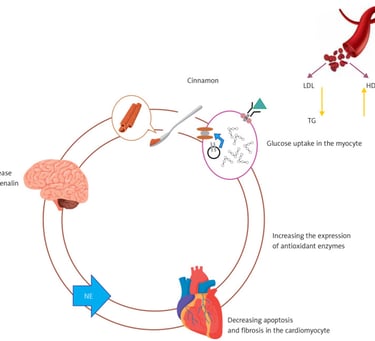
Above shows the effect of cinnamon on sugar, lipids, blood pressure, and cardiovascular tissue changes such as apoptosis, inflammation, and fibrosis. The effect of cinnamon on the cardiovascular system (adapted from [23] )
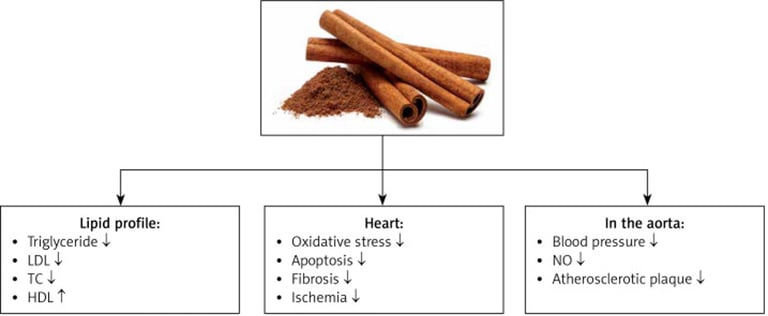
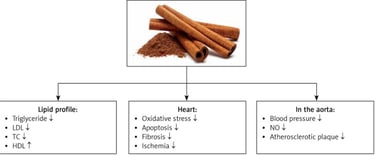
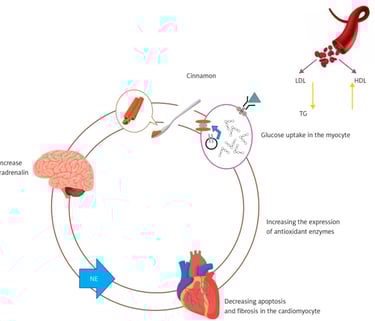
Above shows the effect of the cinnamon extract on blood lipids and the cardiovascular system (adapted from [23])
Benefits of Cinnamon:
Renal protective effects (26)
Anti-Inflammation
Antihyperlipidemic
Hepatoprotective
Anti-obesity
Lower creatinine level (Prevent Kidney disease factor) [25]
Anti-Diabetes
Anti-oxidative
Regulate blood pressure
Support gut health
Anti-clotting (Prevent atherosclerosis)
Regulate cholesterol
GINGER
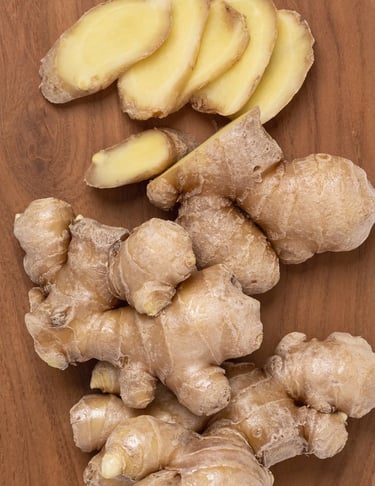
Ginger plants mostly found in tropical regions, with well-drained, moist soil and partial shade for optimal growth. The most distinctive and valuable part of the ginger plant is its underground rhizome, which serves as a storage organ rich in bioactive compounds responsible for its characteristic flavour and medicinal properties.[1] Traditionally, ginger is believed to provide a warming nature that stimulates circulation, dispels cold pathogens, and alleviates stagnation in the body's energy pathways, or meridians. Many researches showed that ginger possesses antioxidant properties attributed to compounds like shogaols, gingerols, and zingerone. Together with terpenoids, flavonoids, and volatile compounds found in ginger play a very important role in its anti-inflammatory and health-promoting effects. It is also shown that supplementing with ginger can improve lung function and mitigate airway inflammation in asthma patients. [1]
Ref:
Pharmacological Research - Modern Chinese Medicine Volume 14, March 2025, 100561 Pharmacological Research - Modern Chinese Medicine. Ginger (Zingiber officinale) in traditional Chinese medicine: A comprehensive review of its anti-inflammatory properties and clinical applications. Jitendra Gupta, Bhawna Sharma, Rahul Sorout, Ram Gopal Singh, Ittishree, Mukesh Chandra Sharma https://www.sciencedirect.com/science/article/pii/S2667142524002033
R. Grzanna, L. Lindmark, C.G. Frondoza Ginger - An herbal medicinal product with broad anti-inflammatory actions J. Med. Food, 8 (2) (2005 Jun), pp. 125-132
N.S. Mashhadi, R. Ghiasvand, G. Askari, M. Hariri, L. Darvishi, M.R. Mofid Anti-oxidative and anti-inflammatory effects of ginger in health and physical activity: review of current evidence Int. J. Prev. Med., 4 (Suppl 1) (2013), p. S36 [Internet][cited 2024 Jul 5]Available from: /pmc/articles/PMC3665023/
P. Ballester, B. Cerdá, R. Arcusa, J. Marhuenda, K. Yamedjeu, P. Zafrilla Effect of ginger on inflammatory diseases Mol, 27 (21) (2022), p. 7223 Vol 27, Page 7223 [Internet]. 2022 Oct 25 [cited 2024 Jul 5]Available from https://www.mdpi.com/1420-3049/27/21/7223/htm
N.H. Anh, S.J. Kim, N.P. Long, J.E. Min, Y.C. Yoon, E.G. Lee, et al. Ginger on human health: a comprehensive systematic review of 109 randomized controlled trials Nutrients, 12 (1) (2020) Jan 1 [cited 2024 Jul 5]Available from/pmc/articles/PMC7019938/
N.A. Lashgari, N. Momeni Roudsari, D. Khayatan, M. Shayan, S. Momtaz, B.D. Roufogalis, et al. Ginger and its constituents: role in treatment of inflammatory bowel disease BioFactors, 48 (1) (2022 Jan 1), pp. 7-21
S. Oh, M.S. Lee, S. Jung, S. Kim, H. Park, S. Park, et al. Ginger extract increases muscle mitochondrial biogenesis and serum HDL-cholesterol level in high-fat diet-fed rats J. Funct. Foods, 29 (2017 Feb 1), pp. 193-200
A.J. Akinyemi, G.R. Thomé, V.M. Morsch, N.B. Bottari, J. Baldissarelli, L.S. de Oliveira, et al. Dietary supplementation of ginger and turmeric rhizomes modulates platelets ectonucleotidase and adenosine deaminase activities in normotensive and hypertensive rats Phytother. Res., 30 (7) (2016), pp. 1156-1163 [Internet]Jul 1 [cited 2024 Jul 5]Available from https://pubmed.ncbi.nlm.nih.gov/27151061/
X. Geng, H. Liu, Q. Yuwen, J. Wang, S. Zhang, X. Zhang, et al. Protective effects of zingerone on high cholesterol diet-induced atherosclerosis through lipid regulatory signaling pathway Hum. Exp. Toxicol., 40 (10) (2021), pp. 1732-1745 [Internet]Oct 1 [cited 2024 Jul 5]Available from https://journals.sagepub.com/doi/10.1177/09603271211006170
E.A. Townsend, M.E. Siviski, Y. Zhang, C. Xu, B. Hoonjan, C.W. Emala Effects of ginger and its constituents on airway smooth muscle relaxation and calcium regulation Am. J. Respir. Cell Mol. Biol., 48 (2) (2013), p. 157 [Internet]Feb [cited 2024 Jul 6]Available from: /pmc/articles/PMC3604064/
Revisiting the protective effects of ginger phenolic compounds on the kidneys: A narrative review Author links open overlay panel Sepehr Hoseinzadeh Moghaddam a, Abulfazl Vatankhah a, Negin Armide a, Zakieh Keshavarzi, online 28 October 2024, Version of Record 30 October 2024.
Herbal Supplements and Kidney Disease. https://www.kidney.org/kidney-topics/herbal-supplements-and-kidney-disease#:~:text=bad%20side%20effects.-,Can%20herbal%20supplements%20interfere%20with%20the%20other%20medicines%20I%20take,risk%20for%20losing%20your%20kidney.
13. How Ginger support better digestion. https://www.caroma.com.my/blog/how-ginger-supports-better-digestion
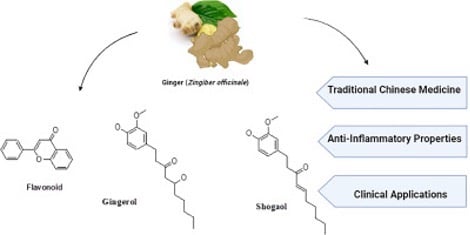
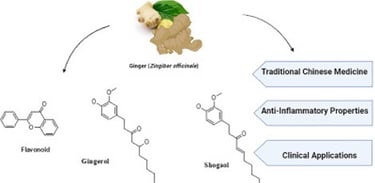
Ginger emerges as a valuable botanical remedy in TCM due to its diverse phytochemical profile and therapeutic properties. The antioxidant components and active ingredients present in ginger contribute to its anti-inflammatory effects and clinical applications in managing various health conditions [1].
Benefits:
Anti-inflammatory properties:
- gingerol, shogaol, and other structurally similar compounds in ginger prevents the formation of prostaglandins and leukotrienes [2].
- prevent the manufacture of pro-inflammatory cytokines such IL-1, TNF-α, and IL-8. [3]
- prevented the overproduction of NO, PGE [2], TNF-α, and IL-1beta. [3]
- lower the increased production of TNF-α and NF-κB in rats with liver cancer.
- inflammatory disorders, such as cancer, atherosclerosis, myocardial infarction, diabetes, allergies, asthma, arthritis, crohn's disease, multiple sclerosis, Alzheimer's disease, osteoporosis, psoriasis, septic shock, and AIDS, are associated with the activation of NF-κB. [4]
Protect Gastrointestinal tract: [5]
- lowers the risk factors associated with tumorigenesis, which is favorable for colorectal cancer.
- as a digestive enhancer.
- alleviate symptoms of irritable bowel syndrome (IBS) and dyspepsia by reducing inflammation in the gut lining and promoting gastrointestinal motility. [6]
Cardiovascular protection:
- Able to increase liver levels of lecithin-cholesterol acyltransferase mRNA and apolipoprotein A-1, which were linked to the production of HDL. Then to reduce the concentrations of total cholesterol (TC) and low-density lipoprotein (LDL), whereas the combination of aerobic activity and ginger able to improve HDL levels [7]
- inhibited platelet aggregation and promoted vasodilation by raising adenosine levels and lowering platelet adenosine deaminase (ADA) activity. This protected problems resulting from hypertension. [8]- shown preventive properties against cardiovascular disease by reducing hypertension and improving dyslipidemia, including HDL, TC, LDL, and VLDL cholesterol levels [9].
Respiratory disorders:
- help manage asthma and chronic obstructive pulmonary disease (COPD) by modulating inflammatory pathways in the respiratory system. [10]
Support renal protective:
- Multiple studies shown both in vitro and in vivo that phenolic compounds found in ginger possess antioxidant, anti-inflammatory, antifibrotic, and kidney-protective properties in various models of kidney damage caused by drugs and metabolic diseases. [11, 12]
Support digestive wellness:
- Promote gut motility, eliminate inflammation in the gut, stimulate the production of key digestive enzymes such as amylase and lipase. [13]
SAFFRON
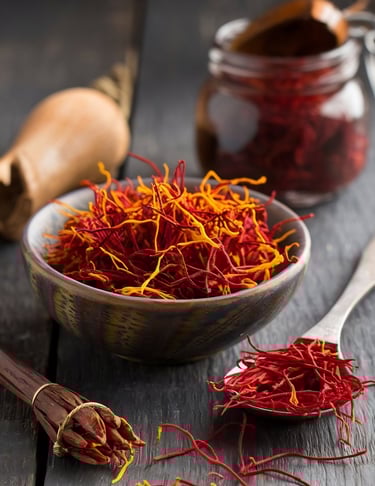
Saffron belongs to the Iridaceae family with variety of compounds in biological and antioxidant activities. Its secondary metabolites include isoflavonoids, flavonoids, triterpenoids, quinone, and phenolic acids. Active substances in saffron are carotenoids crocin and crocetin, picrocrocin, safranal, and etc.
Ref:
Jun 3, 2024 Written By Ryan Raman Edited By Alex Marceau Medically Reviewed By Kerry Boyle D.Ac., L.Ac., CYT https://www.healthline.com/nutrition/saffron#takeaway
Anti-inflammatory and protective effects of saffron extract in ischaemia/reperfusion-induced acute kidney injury Leila Mahmoudzadeh 1, Houshang Najafi 1, Saeed Changizi Ashtiyani 2, Zeynab Mohamadi Yarijani 1 Affiliations Expand PMID: 27381453 DOI: 10.1111/nep.12849
The Effect of Saffron (Crocus sativus L.) Supplementation on Renal Function: A Systematic Review and Meta-Analysis of Randomized Controlled Clinical Trials Elham Karimi , 1,2 Farnaz Shahdadian , 2 Amir Hadi ,
3 Mohammad-Aref Tarrahi , 4 and Mohammad Javad Tarrahi 5 1
Protective effects of saffron (Crocus sativus) against lethal ventricular arrhythmias induced by heart reperfusion in rat: A potential anti-arrhythmic agent Taylor & Francis Pharmaceutical Biology April 201351(7) DOI:10.3109/13880209.2013.767362 SourcePubMed
Protective effects of saffron (Crocus sativus) against lethal ventricular arrhythmias induced by heart reperfusion in rat: a potential anti-arrhythmic agent Siyavash Joukar 1, Elham Ghasemipour-Afshar, Mohammad Sheibani, Nooshin Naghsh, Alireza Bashiri Affiliations Expand PMID: 23627471 DOI: 10.3109/13880209.2013.767362
Therapeutic effects of saffron and its components on neurodegenerative diseases Author links open overlay panel Sahar Golpour- Hamedani a , Makan Pourmasoumi b, Sudiyeh Hejri Zarifi c , Gholamreza Askari d e, Tannaz Jamialahmadi f, Mohammad Bagherniya d e , Amirhossein Sahebkar g h
Benefits:
Antioxidant Properties:
Saffron contains strong antioxidants including crocin, crocetin, safranal, picrocrocin and kaempferol, which help protect cells from damage caused by free radicals and oxidative stress as well as support antidepressant which protect brain cells against progressive damage. [1,2]
Anti-inflammatory Effects:
The anti-inflammatory properties of saffron can help mitigate inflammation in the kidneys, which is a common factor in various kidney disorders. [1, 3]
Protection Against Nephrotoxicity:
Studies showed it protects the kidneys from harm caused by certain medications and toxins that are harmful to the kidneys. [1,4]
Anti-arrhythmic Effects:
Support cardiac electrical stability, which could help prevent irregular heart rhythms. [5,6]
CARDAMOM
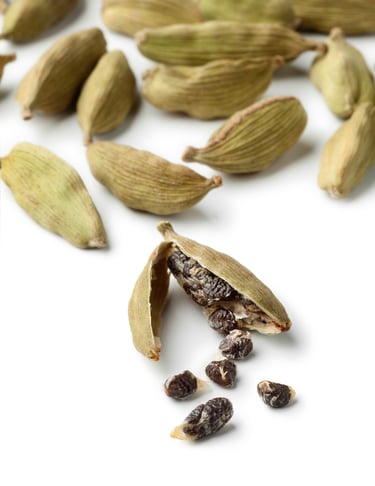
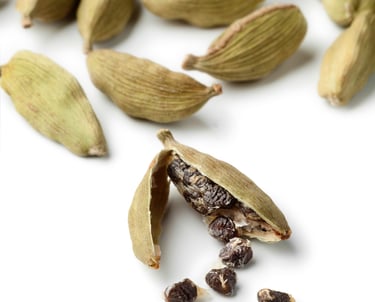
Cardamom is a perennial herbaceous plant, consist of compounds such as phenols, starch, tannins, terpenoids, flavonoids, proteins, sterols, anthocyanins, and alkaloids, and it also possesses various pharmacological properties, such as antioxidant, anti-inflammatory, anticancer, and antimicrobial activities. The use and evaluation of the traditional spices such as cardamomum in terms of their anti-inflammatory activities have been remarkable because of the positive results obtained in several studies where these plants have been used to reduce the symptoms of various chronic inflammatory diseases. [1]
Ref:
Benefits of Cardamom (Elettaria cardamomum (L.) Maton) and Turmeric (Curcuma longa L.) Extracts for Their Applications as Natural Anti-Inflammatory Adjuvants, https://pmc.ncbi.nlm.nih.gov/articles/PMC8467221/#:~:text=compounds%20%5B11%5D.-,E.,adjuvants%20in%20health%20improvement%20therapies.
“7 Reasons Why Whole Green Cardamom Should Be Part of Your Daily Winter Diet” TrulyKerala On Tue, Nov 26, 2024, https://trulykerala.com/post/7-reasons-why-whole-green-cardamom-should-be-part-of-your-daily-winter-diet
“10 Elaichi Health Benefits You’re Missing Out On” In Nutrition|15 June, 2025|17 Minutes|By Luke Coutinho, https://www.lukecoutinho.com/blogs/nutrition-en/cardamom-elaichi-benefits/#:~:text=Free%20radicals%20enter%20our%20system,liver%2C%20lungs%2C%20and%20kidneys.
Azadeh Heydarian, Negin Tahvilian, Hossein Shahinfar, Seyed Ali Abbas-Hashemi, Reza Daryabeygi-Khotbehsara, Naheed Aryaeian First published: 07 October 2023 https://doi.org/10.1002/fsn3.3738 Effect of cardamom consumption on inflammation and blood pressure in adults: A systematic review and meta‐analysis of randomized clinical trials - Heydarian - 2024 - Food Science & Nutrition - Wiley Online Library
Effects of Cinnamon, Cardamom, Saffron, and Ginger Consumption on Markers of Glycemic Control, Lipid Profile, Oxidative Stress, and Inflammation in Type 2 Diabetes Patients Paria Azimi 1, Reza Ghiasvand 1, Awat Feizi 1, Mitra Hariri 1, Behnoud Abbasi 1 Affiliations Expand PMID: 26177486 PMCID: PMC5397291 DOI: 10.1900/RDS.2014.11.258 Effects of Cinnamon, Cardamom, Saffron, and Ginger Consumption on Markers of Glycemic Control, Lipid Profile, Oxidative Stress, and Inflammation in Type 2 Diabetes Patients - PubMed
Benefits:
Anti-inflammation & Antimicrobial [2]
Contains anti-inflammatory compounds, such as Cineole and Terpinene, which helps to boost body immune system. With the antimicrobial properties, it helps to fend off pathogens, further supporting body immune system.
Antioxidant
Cardamom is a rich source of antioxidants that against and neutralize free radicals. Free radicals enter our system from the poor-quality food we eat, our sedentary lifestyle, and exposure to environmental toxins (air pollution). When you are undergoing chemotherapy/radiation or certain health conditions, you may also have a toxin buildup. Antioxidants from natural sources neutralize the free radicals, flush toxins out, and maintain our immunity. It works as a natural detoxifier. This is one of the many benefits that support cleansing gently and effectively. [3]
Improve Blood Pressure [4,5]
The reduction in blood pressure by 1,8-cineol might be achieved through the regulation of nitric oxide (NO) production and the improvement of cardiac systolic function (Cai et al., 2021; Farhanghi et al., 2022).
Cardamom has been shown to reduce inflammation by preventing lipid peroxidation and acting as a scavenger of free radicals. Furthermore, cardamom exerts its anti-inflammatory effects by blocking inflammatory pathways such as cyclooxygenase-2 (COX-2), inducible nitric oxide synthase (i-NOS), and nuclear factor-κB (NF-κB) (Kandikattu et al., 2017). 1,8-cineol, the dominant compound in cardamom, has been shown to have antibacterial, antioxidant, and anti-inflammatory effects. It also prevents the release of inflammatory factors and reactive oxygen species (ROS). [4,5]
JUJUBE
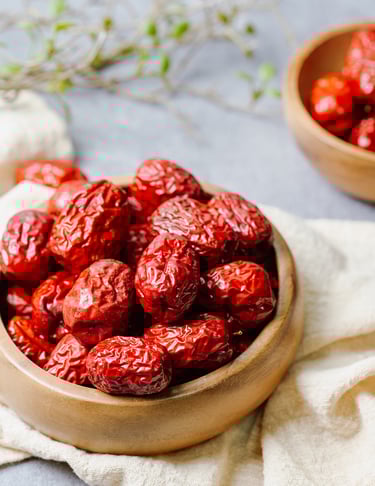
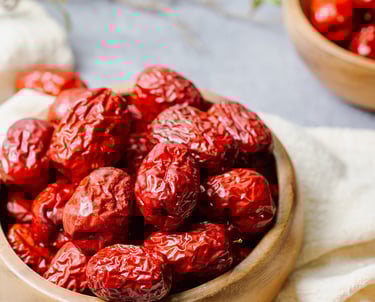
Jujube Blue date, recognized in traditional Chinese medicine as a nourishing delicacy, is known for its benefits in strengthening the spleen and stomach, nourishing the kidneys and liver, enriching blood and qi, as well as moisturizing the heart and lungs. It is particularly suitable for individuals with qi and blood deficiency or general physical weakness. Modern nutritional studies indicate that blue dates are rich in various vitamins, amino acids, and antioxidants, which help enhance immunity, improve anemia and insomnia, protect the liver, and support digestive health, mental calmness, and skin vitality. Additionally, some pharmacological experiments suggest that its active components may inhibit cancer cells, demonstrating potential auxiliary anti-cancer effects. Overall, blue date is a health food that combines traditional nourishing value with modern scientific validation.
CONTACT
A-0-5, Tulin 28, Jalan Riang Ria 8,
Taman Gembira, 58200 Kuala Lumpur
Malaysia
Follow
Connect
info@meridianswell.com
+60 12-201 8658
© 2025. All rights reserved.